

DTF Powder for Sale: How to Choose the Right Powder
DTF powder is what helps your printed design bond to the garment. The right powder gives you strong adhesion, clean melt, better stretch, smoother transfers, and stronger wash durability.
If you are searching for DTF powder for sale, you are probably looking for a powder that gives your transfers better adhesion, smoother pressing, and reliable wash durability. DTF powder may not get as much attention as the printer or ink, but it is one of the most important supplies in the Direct to Film process.
The powder is the adhesive. After your design is printed on DTF film, powder is applied to the wet ink, melted during curing, and then activated again during the heat press process. If the powder is weak, contaminated, stored incorrectly, or not cured properly, your transfers can peel, crack, feel rough, or fail in the wash.
Quick Answer
Choose DTF powder that melts clean, bonds strongly, works with your DTF ink and film, supports good stretch, and stores well in your production environment. For professional results, look for premium hot-melt adhesive powder that is consistent, dry, smooth, and designed specifically for DTF transfer printing.
What Is DTF Powder?
DTF powder, also called DTF transfer powder or hot-melt adhesive powder, is the adhesive layer that makes the printed design stick to the garment. It is applied to the printed film while the ink is still wet, then cured so the adhesive melts into the ink layer.
During heat pressing, that adhesive activates again and bonds the transfer to the fabric. This is why powder quality matters so much. It affects the feel, stretch, durability, and overall performance of the finished transfer.
1. Choose Powder With Strong Adhesion
Adhesion is the first thing to look for when buying DTF powder. Good powder should create a strong bond between the design and the garment. Poor adhesion can cause edges to lift, designs to peel, or prints to fail after washing.
If your customers are buying shirts, hoodies, uniforms, workwear, team apparel, or event merchandise, the transfer needs to hold up under real wear and washing.
Better Bond
Quality DTF powder helps the transfer bond correctly to cotton, polyester, blends, hoodies, tote bags, and more.
Cleaner Edges
Good powder coverage helps reduce weak edges, lifting, and inconsistent adhesive spots.
Repeat Wear
Strong adhesive powder helps transfers perform better through repeated wearing and washing.
2. Look for a Smooth, Clean Melt
DTF powder should melt evenly during curing. If the powder melts poorly, clumps, or leaves uneven texture, the finished transfer may feel rough or press inconsistently.
A smooth melt helps create a cleaner transfer surface and a more professional finished product. It also helps powder bond evenly to the ink layer before the final press.
Signs of Poor Powder Melt
- Rough texture after curing
- Uneven adhesive coverage
- Powder clumps or chunks
- Glossy or burnt areas from over-curing
- Weak spots after pressing
Powder Is the Bond Between Print and Profit
Your printer can lay down beautiful color, but the powder is what helps that design stay on the garment. Do not let cheap powder ruin a good print, waste supplies, or damage customer trust.
3. Match Powder to Your Workflow
Different shops have different workflows. Some print small batches and cure manually. Others use automatic powder shakers and curing tunnels. Your powder should work well with your production setup.
If you are using an automatic shaker, the powder should flow smoothly, apply evenly, recycle properly when applicable, and not create excessive clumping. If you are applying powder manually, you still need consistent coverage and clean melting.
Ask Before Buying:
- Is this powder made for DTF transfer printing?
- Does it work well with automatic shakers?
- Does it melt clean in my curing temperature range?
- Does it pair well with my film and ink?
- Is it packaged to protect from moisture?
4. Consider Powder Size and Texture
DTF powder may come in different particle sizes or textures. Some powders are finer, while others may be more medium-grade. The goal is to find powder that gives strong bonding without creating a heavy, rough feel.
Fine powder can support smoother coverage, while coarser powder may feel heavier depending on the product and process. The best choice depends on your garment type, print style, curing setup, and desired hand feel.
| Powder Feature | Why It Matters | What to Look For |
|---|---|---|
| Adhesion | Controls how well the transfer bonds to the garment. | Strong bond, clean edges, and reliable wash performance. |
| Melt Quality | Affects texture, finish, and transfer consistency. | Smooth melt without clumps, rough patches, or weak adhesive spots. |
| Flow | Important for manual powdering and automatic shaker systems. | Powder that spreads evenly and does not clump when stored correctly. |
| Compatibility | Powder should work with your ink, film, curing setup, and heat press process. | Use powder designed specifically for DTF transfer printing. |
| Storage | Moisture can damage powder performance. | Sealed packaging and dry storage conditions. |
5. Store DTF Powder Correctly
Moisture is one of the biggest enemies of DTF powder. If powder absorbs moisture, it can clump, melt unevenly, and create transfer problems. Always store powder in a dry, clean environment and keep the container sealed when not in use.
DTF Powder Storage Tips
- Keep powder sealed tightly after use.
- Store in a cool, dry area.
- Keep away from humidity and moisture.
- Do not leave powder open near the printer or curing area.
- Use clean tools when handling powder.
- Rotate inventory so older powder gets used first.
6. Do Not Buy Powder Based on Price Alone
Cheap powder can cost more if it causes failed transfers, wasted film, wasted ink, reprints, complaints, or refunds. The powder may look simple, but it plays a major role in whether the customer’s shirt holds up after washing.
When comparing DTF powder for sale, compare performance, melt quality, adhesion, packaging, support, and supplier reliability — not just price.
Production Tip
Always test new DTF powder before running large customer orders. Print a test design, cure properly, press on a garment, stretch test it, and wash test it before trusting it for bulk production.
7. Common DTF Powder Problems
If your transfers are peeling, cracking, lifting, or feeling rough, the powder may be part of the issue. However, powder problems can also be caused by curing, pressing, humidity, film, ink, or operator technique.
| Problem | Possible Powder-Related Cause | What to Check |
|---|---|---|
| Peeling Transfers | Weak adhesive, under-curing, or poor powder coverage. | Check powder quality, cure settings, press temperature, pressure, and time. |
| Rough Feel | Uneven melt, heavy powder application, or incorrect curing. | Check powder amount, melt quality, and curing process. |
| Clumping Powder | Moisture exposure or poor storage. | Keep powder sealed, dry, and away from humid areas. |
| Weak Edges | Uneven powder coverage or insufficient adhesion around design edges. | Check powder application, shake-off, and curing consistency. |
| Wash Failure | Bad adhesive bond, poor curing, or incorrect press settings. | Test powder, film, ink, cure settings, and heat press settings together. |
Shop DTF Powder from South Mid Supply
South Mid Supply carries DTF transfer powder for print shops, apparel brands, custom decorators, and DTF transfer businesses that need strong adhesion, clean melt, and reliable production results.
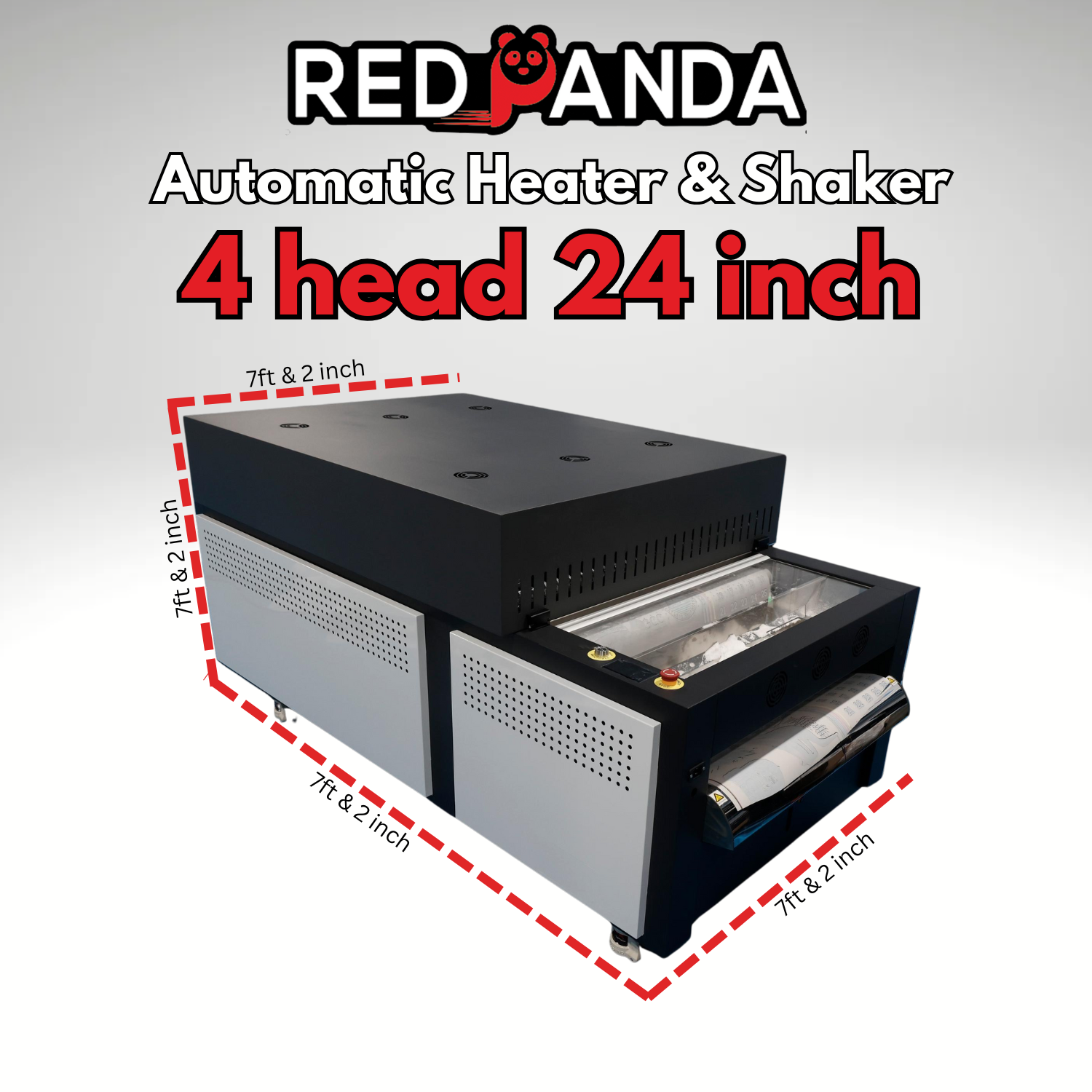
Whether you are printing with a compact setup or running a 24 inch production printer with an automatic shaker, quality powder helps protect your finished product and your customer experience.
Frequently Asked Questions
What is DTF powder used for?
How do I choose the right DTF powder?
Why is my DTF powder clumping?
Can bad DTF powder cause peeling?
Does DTF powder work on cotton and polyester?
Where can I buy DTF powder?
Need DTF Powder That Performs?
Choose premium DTF powder that supports strong adhesion, smooth melt, clean transfers, and better wash durability. Stock up on DTF powder, ink, film, and supplies from South Mid Supply.